How The Fork Came To Be
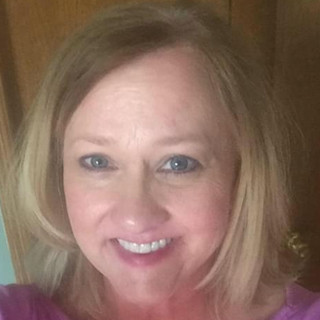

Hello World!
I have thought about starting a blog for a very long time. Maybe a lifetime.
I lost my husband when I was 46 years old. He was only 52. Overnight, I became a widow and a single mother to a 21-year-old, a 19-year-old, and a 14-year-old. The loss was devastating. He was my best friend, my partner, my person.
That moment marked the beginning of my new normal—whether I wanted it or not. Chapter One started without my consent.
Let me go back to the beginning.
M was my best friend long before he was my husband. We worked together at a local grocery store in the late 1980s. I noticed him because he was just so cute. At the time, I was saving every penny I could because I was headed to Paris for fall quarter—planning to live in a boarding house in the 16th arrondissement, right next to the Luxembourg Gardens.
One day, M asked me to take his shift. In return, he promised to take me out for a drink—or something like that. I didn’t really believe him. I was scheduled to work until 2:00 a.m. on Friday night, and his shift started at 10:00 a.m. Saturday morning. It wasn’t ideal. But it meant I’d finally have a Saturday night off, which was rare. So I agreed.
I figured I’d never hear from him again. I wasn’t the kind of girl who gets remembered—not a plain Jane, but not Farrah Fawcett either.
But he surprised me.
He called. We went out for that drink. We became fast friends. Then something more. We were good together—effortlessly, deeply good.
Loving him felt like Christmas morning: the anticipation, the joy, the promise of what might be waiting. Our days were full of excitement, shared dreams, and plans for the future. The good days, the bad days, and everything in between were all welcome. We were healthy. We had time. Life was damn good.
We got married. We had children. We built a life—one meant to be carried forward shoulder to shoulder. I never understood how delicate that partnership was until I lost the person who helped carry the weight of everything. He made even the ordinary joyful—from changing beds to getting up and going to work. He made life fun. And I felt deeply loved.
In January of 2006, my husband was diagnosed with chronic lymphocytic leukemia (CLL). From the moment we heard the diagnosis, I felt a constant undercurrent of anxiety. Somewhere deep inside, I knew I would lose him far too early. I can’t explain it—I just knew.
When our first oncologist told us my husband had “won the lottery” and could live another ten years, we politely found a new doctor.
M was the most courageous person I have ever known. He lived with cancer for nine long years, and he fought every step of the way. He researched treatments relentlessly, kept up with new and emerging therapies, and stunned oncologists with his knowledge and thoughtful questions. He never gave up hope. Even as his light dimmed, his attitude toward life remained extraordinary.
I struggled more than he did. I wanted him here. I wasn’t ready for the journey that began the day he left us—left me.
I knew he would leave before me, but knowing didn’t make it easier. He didn’t want to go. None of us get to choose the station or the time; that decision belongs to something greater than us.
What I learned from him is this: keep researching, keep hoping, keep loving the people around you. Have no expectations of God or of life being fair. Find a way to live with hope and pass that gift on to your family.
No matter how hard life gets, find a way to move through it.
Find your fork. Use it to stir the tea. Then use it as your staff and become the warrior you need to be—for yourself, your family, and in memory of the one you lost. Overcome. Adapt. And never forget the broken pieces you carefully reassemble each day as you step back into the world and continue your journey.
-If you’re here because life handed you a fork you didn’t ask for, you’re not alone. Pull up a chair and brew some tea. There’s room for you here! The words shared here come from lived experience, not professional training. This space is meant for reflection, encouragement, and connection—not medical, mental health, or therapeutic advice. Grief is deeply personal, and if you find yourself needing more support, I encourage you to reach out to a trusted professional, counselor, or healthcare provider. Asking for help is not a failure—it’s an act of courage.
────────────────────────────────────────────
A GENTLE PAUSE BEFORE YOU GO
────────────────────────────────────────────
I’m not here to tell you how to grieve or how
long it should take. I’m here to share what
helped me survive, breathe, and slowly find my
footing again—one imperfect day at a time.
Take what resonates.
Leave what doesn’t.
Trust yourself above all else.
────────────────────────────────────────────
FIRST GENTLE STEPS
────────────────────────────────────────────
When everything feels too heavy—start here.
You don’t need to do all of these.
One is enough.
🚶♀️ Take a short walk or step outside for fresh air
📖 Read something comforting, not demanding
🥣 Eat simple, nourishing foods—warm if possible
🫖 Brew a cup of tea and pause with it
💛 Offer yourself the same kindness you’d give a friend
────────────────────────────────────────────
A KIND DISCLAIMER
────────────────────────────────────────────
The words shared here come from lived
experience, not professional advice. This
space is meant for reflection, encouragement,
and connection—not medical or mental health
guidance.
If you need additional support, reaching out
to a counselor, healthcare provider, or trusted
professional is an act of courage—not weakness.
────────────────────────────────────────────
Sometimes the only thing you can do
is stir the tea and keep going.
And sometimes—that is everything.
────────────────────────────────────────────
Comments